

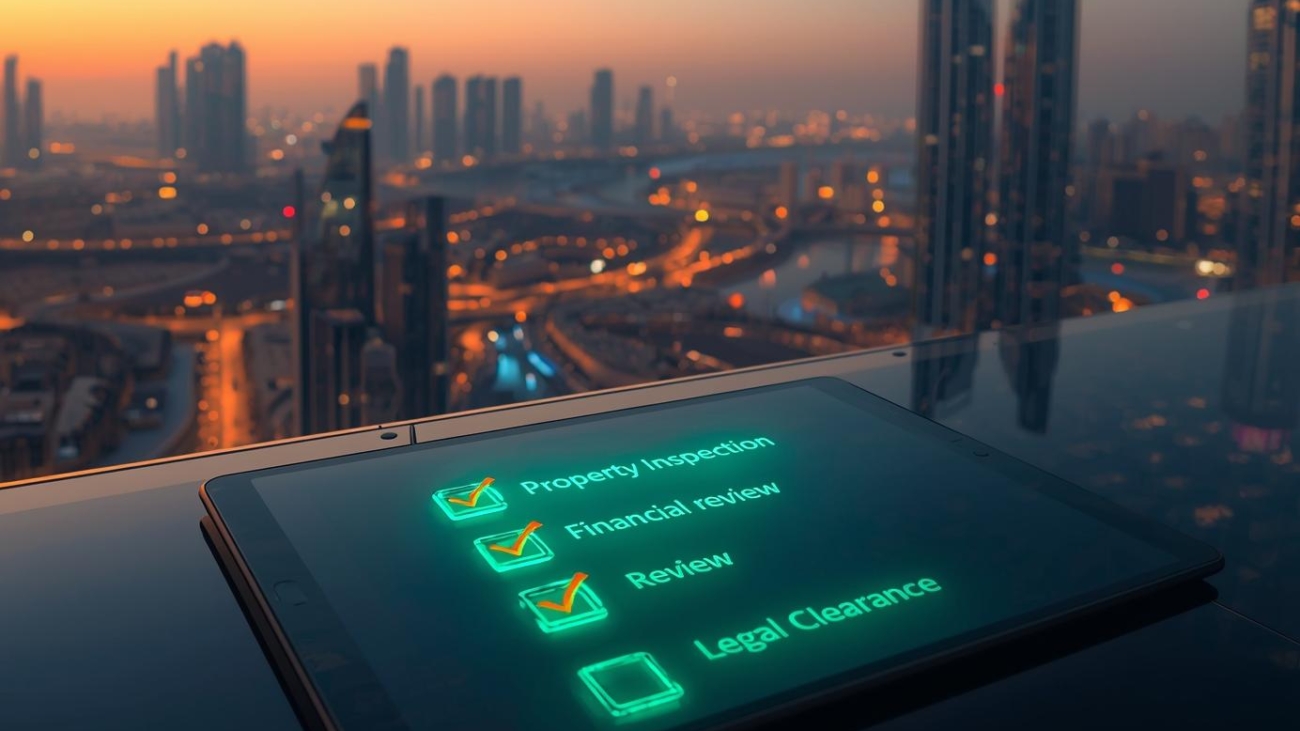
Dubai Property Due Diligence: Avoid Costly Developer & Title Risks for International Buyers
Dubai property due diligence is the foundational step for any international investor entering the UAE real estate market. Whether you are buying property in Dubai from India, a UK buyer checking developer credibility, or a North American investor seeking title and escrow safeguards, understanding the legal, financial, and procedural checks is essential to avoid costly mistakes and ensure a smooth transaction.
Dubai’s regulatory framework – led by the Dubai Land Department (DLD) and the Real Estate Regulatory Agency (RERA) – is structured to protect buyers. Nevertheless, insufficient due diligence remains a leading cause of investment risk, from flawed documentation to unverified developers and improper payment channels.
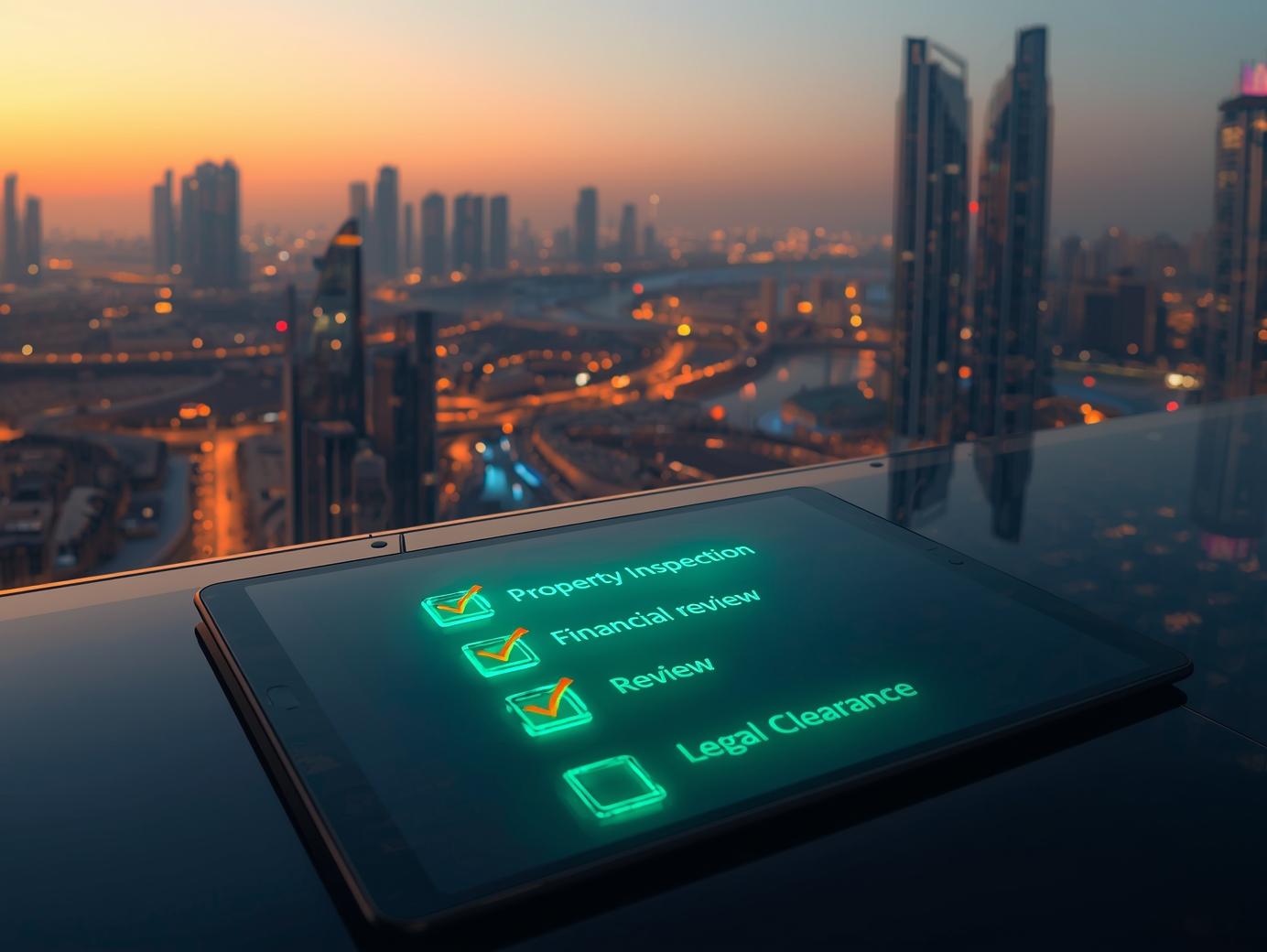
This blog will unpack the step-by-step process that any international buyer – from India, Europe, or North America – must follow to execute proper Dubai property due diligence, protect capital, and secure peace of mind.
Importance of Due Diligence (Common Pitfalls)
Investing in Dubai real estate without proper Dubai property due diligence can expose buyers to legal, financial, and fraud risks. Common pitfalls include:
- Unverified Developer Credentials: Purchasers sometimes sign contracts with developers who lack valid RERA or DLD approvals. This exposes buyers to unfinished projects or delayed handovers.
- Title Deed Discrepancies or Fraud: Transactions based on forged or outdated title deeds can lead to disputes and loss of funds.
- Off-plan Sales Without Escrow Protection: Some developers may attempt to collect payments outside of regulated escrow accounts - a core safeguard for off-plan payments in Dubai.
- Inadequate Sales Agreements: A poorly drafted Sales and Purchase Agreement (SPA) can omit critical terms like completion timelines, penalties for delay, or refund policies.
Failing to execute thorough checks can result in delays, financial loss, or legal disputes. For international buyers, the risk of overlooking cultural and regulatory nuances heightens the need for comprehensive developer due diligence Dubai.
Verify Developer Credibility - Documents to Request
Before committing to a purchase, international investors should ask developers for specific documents to validate their legitimacy and project viability:
RERA and DLD Approvals
Every developer must be registered with RERA, and all projects must be approved by the Dubai Land Department. Valid RERA documentation assures you that the developer meets minimum legal and financial standards to sell real estate.
Ask for:
- RERA Developer License/Registration number
- Project registration confirmation on DLD systems
Escrow Account Verification
Under UAE regulations, off-plan projects must have dedicated escrow accounts monitored by RERA. This protects buyers by ensuring funds are used only for construction and not diverted to other expenses.
Documents to request:
- Escrow account number
- Bank/escrow agent details approved by RERA
- Proof that the project’s escrow account is active
Completion and Delivery History of the Developer
International buyers should also request information about:
- The developer’s past project delivery record
- Building completion certificates
- Developer reputation assessments
Failure to review project completion history can expose you to risks if a developer has a record of delays or cancellations.
No Objection Certificates (NOCs)
A No Objection Certificate (NOC) from the developer confirms there are no outstanding dues (service charges, payments) that could affect your purchase.
This document is vital for:
- Secondary market sales
- Transferring ownership at the DLD trustee centre
Title & Registration: How to Check E-Certificate / Title Deed
Verifying property ownership through the official DLD title check is a critical element of Dubai property due diligence. Title deeds confirm legal ownership and protect investors against fraud.
Step-by-Step Title Verification Process
Step 1: Collect Title Deed or Oqood Reference
- For completed properties, obtain a copy of the title deed.
- For off-plan purchases, ensure you have your Oqood registration certificate issued by DLD. Oqood serves as the legal proof of sale until final title deed issuance upon project completion.
Step 2: Use the Dubai REST App (Official DLD Tool)
- Download the “Dubai REST” mobile app (official DLD platform).
- Register using your credentials.
- Navigate to “Verify Property Ownership.”
- Enter the title deed or Oqood number.
- Confirm ownership details and verify authenticity.
Step 3: Verify via DLD Website e-Services
- Go to the Dubai Land Department official site: https://www.dubailand.gov.ae
- Select “eServices.”
- Choose “Title Deed Verification.”
- Enter property details and receive the verification report online.
Step 4: Review the Output and Status
The report will indicate whether the title deed is Valid, Replaced, or Not Found. These results are drawn directly from the DLD’s official register and carry legal weight.
Step 5: Professional Verification (Optional)
Some buyers hire licensed brokers or legal firms to perform deeper title due diligence, including checks for liens, mortgages, or litigation.
Payment Plans, Escrow & Consumer Protection Tips
Managing payments for property purchases in Dubai requires strict discipline and alignment with legal safeguards:
Understand Escrow Protections for Off-Plan Projects
Payments for off-plan units should only be made into the RERA-approved escrow account. This regulatory requirement protects your money and ensures it is used solely for construction.
Buyers should:
- Confirm the escrow account number and bank through DLD or RERA
- Never wire funds directly to a developer’s corporate account
Structured Payment Milestones
Most escrow plans align payments to project milestones. This structure helps you:
- Reduce risks of prepaying before actual construction progress
- Ensure payouts match tangible progress
Sales and Purchase Agreement (SPA) Review
The SPA is the legal contract governing the transaction. Always review or negotiate:
- Completion timelines
- Penalty clauses for delay
- Refund rights
- Delivery standards
Consumer Protection Guidelines
Dubai’s regulatory environment protects buyers through:
- Mandatory RERA registration of developers
- Escrow safeguards
- DLD documentation controls
However, always ensure:
- Payments are documented
- Receipts are official
- Communication is traceable
Working with Local Lawyers & Licensed Agents - A Checklist
Navigating Dubai property due diligence without professional support increases risk. The following outlines what to look for in advisors:
Licensed Real Estate Agents
A licensed agent must carry a RERA ID and be verifiable via the Dubai REST app or DLD website.
Verify:
- RERA license and broker card
- Professional track record
- Transparent fee structure
Questions to ask:
- Can you show me the developer’s RERA approval documentation?
- Will you share the escrow account details and project status?
Local Property Lawyers
Retention of a local property attorney ensures:
- SPA review and negotiation
- Validation of title deed and encumbrances
- Guidance on tax and compliance nuances
Checklist for lawyers:
- UAE property transaction experience
- DLD and RERA procedural expertise
- Transparent fee agreements
For international buyers – whether legal due diligence for EU citizens buying property in Dubai or title and developer due diligence for US investors buying UAE real estate – a lawyer mitigates cross-jurisdiction risk.
Closing Checklist & Aftercare (Property Management / Leasing)
As you approach the final stages of purchase, ensure the following checklist items are completed:
Final Title Deed Transfer
- Confirm payment of all fees (DLD transfer fee 4% + applicable VAT).
- Attend the DLD trustee office with your representative or via Power of Attorney.
- Obtain new title deed issued in your name.
Service Charge Clearance
Ensure the developer or previous owner clears all outstanding service charges. A clean clearance prevents future disputes.
Handover and Inspection
For completed units:
- Inspect property condition
- Check Building Completion Certificate (BCC)
- Verify utilities are connected
Property Management & Leasing
If you plan to rent the property:
- Engage a licensed property manager
- Register your tenant under Ejari (required for formal leases)
- Track rental income and service charges
Conclusion
Performing proper Dubai property due diligence is non-negotiable for international investors. It protects you from fraud, contractual disputes, and financial loss. From verifying developer credibility to checking UAE title deed authenticity via DLD, ensuring secure escrow payments, and working with licensed advisors, each step strengthens your investment confidence and compliance.
Indian, European, and North American buyers all benefit from disciplined due diligence, guided by global best practices and local regulatory frameworks. If you need structured support through this process, Aimed Advisors can help you navigate every due diligence step with clarity and confidence – from document checks to closing strategies.
Contact Aimed Advisors for a tailored due diligence roadmap customized to your investment profile and home market (India, Europe, or North America), supported by local legal and real estate expertise.