
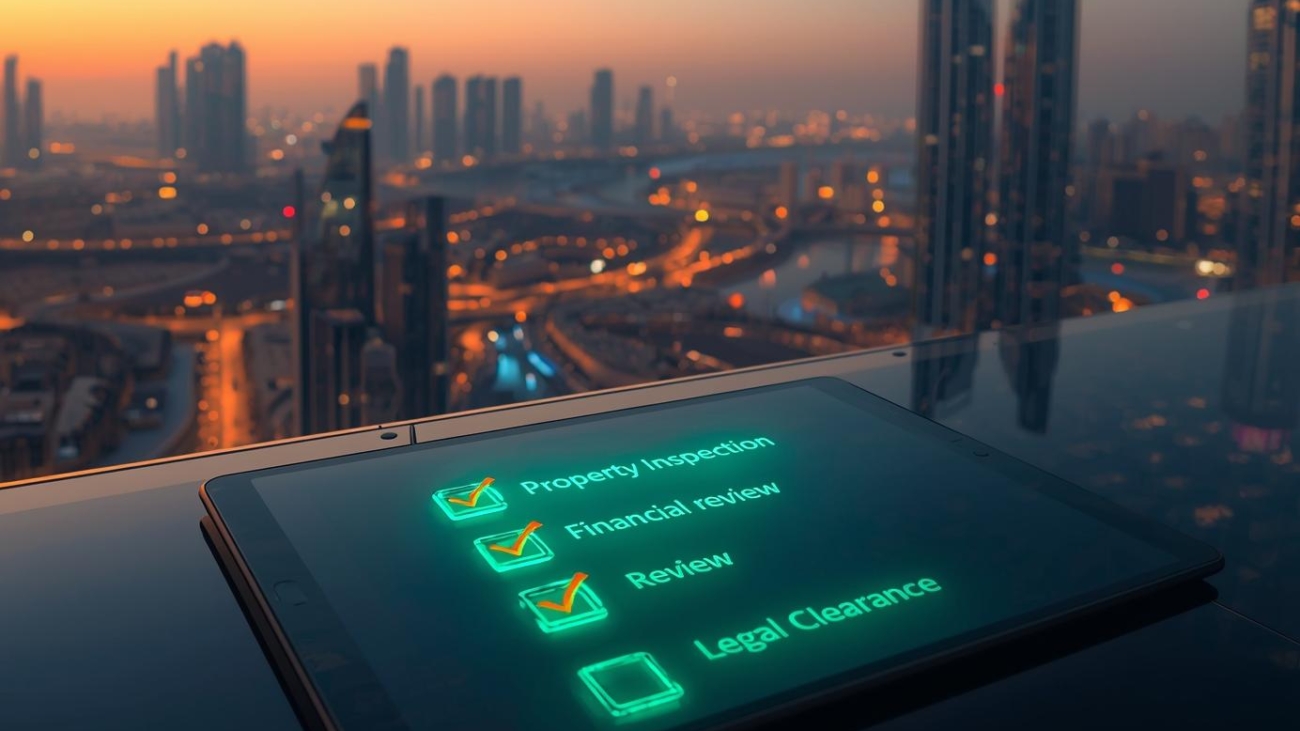
Dubai Property Due Diligence Checklist for International Investors

Dubai Property Due Diligence: Avoid Costly Developer & Title Risks for International Buyers

Dubai Property Due Diligence: Avoid Costly Developer & Title Risks for International Buyers

Dubai property due diligence is the foundational step for any international investor entering the UAE real estate market. Whether you are buying property in Dubai from India, a UK buyer checking developer credibility, or a North American investor seeking title and escrow safeguards, understanding the legal, financial, and procedural checks is essential to avoid costly mistakes and ensure a smooth transaction.

Dubai’s regulatory framework – led by the Dubai Land Department (DLD) and the Real Estate Regulatory Agency (RERA) – is structured to protect buyers. Nevertheless, insufficient due diligence remains a leading cause of investment risk, from flawed documentation to unverified developers and improper payment channels.
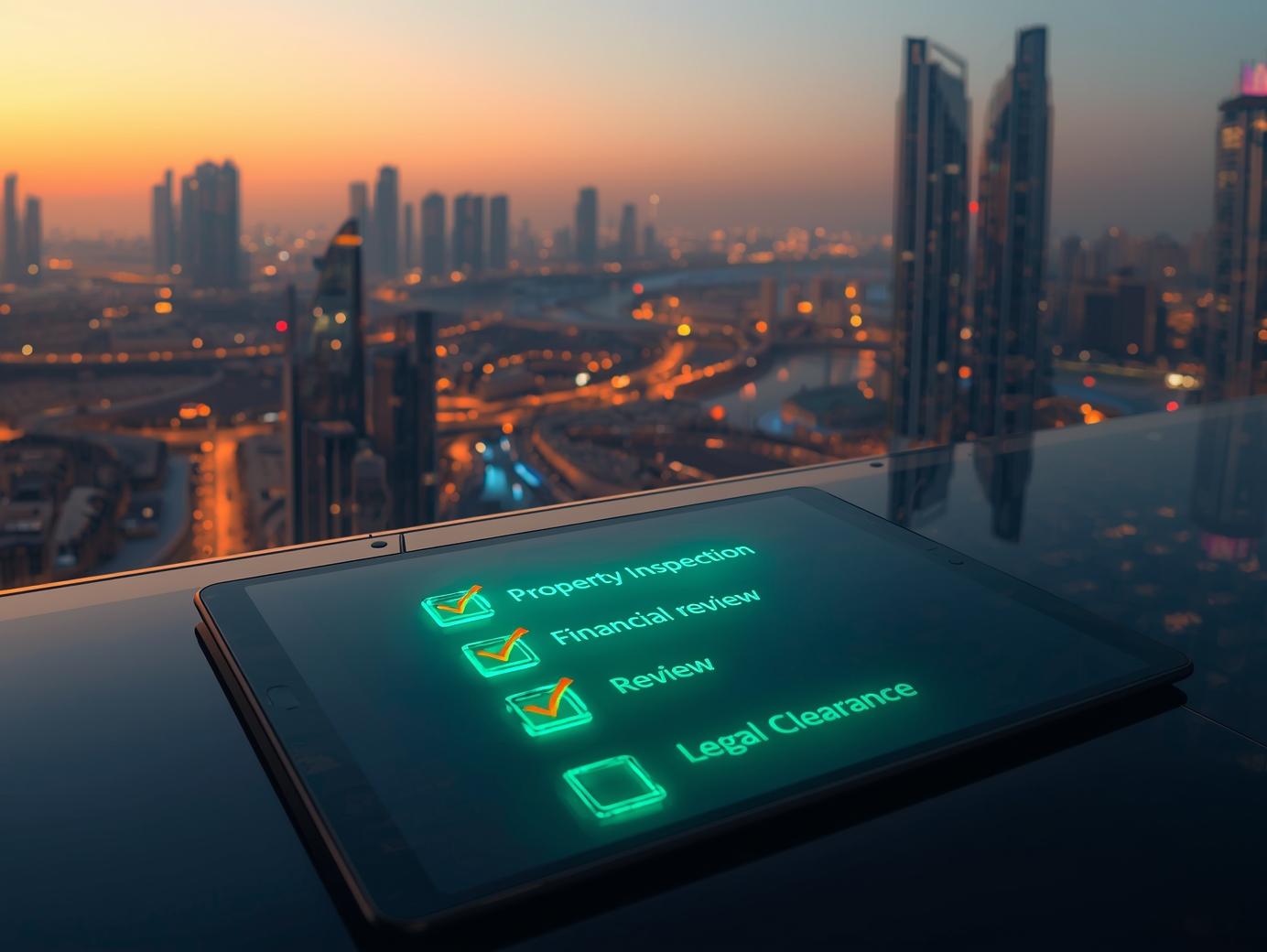
Dubai Property Due Diligence Checklist for International Investors

This blog will unpack the step-by-step process that any international buyer – from India, Europe, or North America – must follow to execute proper Dubai property due diligence, protect capital, and secure peace of mind.

Importance of Due Diligence (Common Pitfalls)

Investing in Dubai real estate without proper Dubai property due diligence can expose buyers to legal, financial, and fraud risks. Common pitfalls include:

Failing to execute thorough checks can result in delays, financial loss, or legal disputes. For international buyers, the risk of overlooking cultural and regulatory nuances heightens the need for comprehensive developer due diligence Dubai.

Verify Developer Credibility - Documents to Request

Before committing to a purchase, international investors should ask developers for specific documents to validate their legitimacy and project viability:

RERA and DLD Approvals

Every developer must be registered with RERA, and all projects must be approved by the Dubai Land Department. Valid RERA documentation assures you that the developer meets minimum legal and financial standards to sell real estate.

Ask for:

Escrow Account Verification

Under UAE regulations, off-plan projects must have dedicated escrow accounts monitored by RERA. This protects buyers by ensuring funds are used only for construction and not diverted to other expenses.

Documents to request:

Completion and Delivery History of the Developer

International buyers should also request information about:

Failure to review project completion history can expose you to risks if a developer has a record of delays or cancellations.

No Objection Certificates (NOCs)

A No Objection Certificate (NOC) from the developer confirms there are no outstanding dues (service charges, payments) that could affect your purchase.

This document is vital for:

Title & Registration: How to Check E-Certificate / Title Deed

Verifying property ownership through the official DLD title check is a critical element of Dubai property due diligence. Title deeds confirm legal ownership and protect investors against fraud.

Step-by-Step Title Verification Process

Step 1: Collect Title Deed or Oqood Reference

Step 2: Use the Dubai REST App (Official DLD Tool)

Step 3: Verify via DLD Website e-Services

Step 4: Review the Output and Status

The report will indicate whether the title deed is Valid, Replaced, or Not Found. These results are drawn directly from the DLD’s official register and carry legal weight.

Step 5: Professional Verification (Optional)

Some buyers hire licensed brokers or legal firms to perform deeper title due diligence, including checks for liens, mortgages, or litigation.

Payment Plans, Escrow & Consumer Protection Tips

Managing payments for property purchases in Dubai requires strict discipline and alignment with legal safeguards:

Understand Escrow Protections for Off-Plan Projects

Payments for off-plan units should only be made into the RERA-approved escrow account. This regulatory requirement protects your money and ensures it is used solely for construction.

Buyers should:

Structured Payment Milestones

Most escrow plans align payments to project milestones. This structure helps you:

Sales and Purchase Agreement (SPA) Review

The SPA is the legal contract governing the transaction. Always review or negotiate:

Consumer Protection Guidelines

Dubai’s regulatory environment protects buyers through:

However, always ensure:

Working with Local Lawyers & Licensed Agents - A Checklist

Navigating Dubai property due diligence without professional support increases risk. The following outlines what to look for in advisors:

Licensed Real Estate Agents

A licensed agent must carry a RERA ID and be verifiable via the Dubai REST app or DLD website.

Verify:

Questions to ask:

Local Property Lawyers

Retention of a local property attorney ensures:

Checklist for lawyers:

For international buyers – whether legal due diligence for EU citizens buying property in Dubai or title and developer due diligence for US investors buying UAE real estate – a lawyer mitigates cross-jurisdiction risk.

Closing Checklist & Aftercare (Property Management / Leasing)

As you approach the final stages of purchase, ensure the following checklist items are completed:

Final Title Deed Transfer

Service Charge Clearance

Ensure the developer or previous owner clears all outstanding service charges. A clean clearance prevents future disputes.

Handover and Inspection

For completed units:

Property Management & Leasing

If you plan to rent the property:

Conclusion

Performing proper Dubai property due diligence is non-negotiable for international investors. It protects you from fraud, contractual disputes, and financial loss. From verifying developer credibility to checking UAE title deed authenticity via DLD, ensuring secure escrow payments, and working with licensed advisors, each step strengthens your investment confidence and compliance.

Indian, European, and North American buyers all benefit from disciplined due diligence, guided by global best practices and local regulatory frameworks. If you need structured support through this process, Aimed Advisors can help you navigate every due diligence step with clarity and confidence – from document checks to closing strategies.

Contact Aimed Advisors for a tailored due diligence roadmap customized to your investment profile and home market (India, Europe, or North America), supported by local legal and real estate expertise.

Copyright All Rights Reserved © 2024 | Aimed Advisors FZC LLC
Net returns on Dubai property — international investor guide

Net returns on Dubai property: What Indian, European & North-American investors must know

Net returns on Dubai property: What Indian, European & North-American investors must know

Dubai continues to be one of the most attractive real estate markets for investors from India, Europe and North America. Many foreigners choose Dubai for tax-efficient rental income, transparent property laws, and a stable regulatory environment. But as a global buyer, your real wealth depends not on gross rent, but on net returns — after fees, costs, and all expenses.

At Aimed Advisors, we help international buyers run realistic return models to avoid surprises and maximize return.

Net returns on Dubai property — international investor guide

What Dubai offers: Low tax burden and predictable fees

Dubai offers a highly favorable property-tax regime for individuals. As of 2025:

These benefits often make “Dubai real estate returns” more favorable than many western or Indian markets.

But the cost of ownership is not zero. To buy and maintain a property, you must factor in transfer fees, registration charges, ongoing maintenance, and overheads typical in real-estate.

What you pay when you buy: Fees, charges, transfer costs

When you buy a property in Dubai, expect certain mandatory fees. These are not “taxes” in the conventional sense (like annual property tax), but real transaction and maintenance costs.

Once you own the property, recurring costs include:

When you sell the property, again DLD charges a transfer fee (4% of sale value) to register the change of ownership.

Because of this structure – mostly one-time fees + recurring maintenance – many international investors find “Dubai buy-to-let returns” quite clean compared to heavily taxed real estate markets elsewhere.

How to Calculate Gross vs Net Yield (Simple, Realistic Method)

To understand what you really earn, you must go beyond gross rent. Here’s a simple way to gauge net returns.

  1. Estimate annual gross rent.

2. Subtract all annual costs: service charges, maintenance, repairs, property-management costs (if any), vacancy allowance, insurance, etc.

3. If you financed the purchase, subtract mortgage interest and banking fees.

4. For the first year, also subtract one-time purchase costs (DLD fee, registration/admin fees, agent commission).

5. Divide net income by total investment cost (purchase price + purchase-related fees + any upfront costs). That gives you net yield (usually expressed in %).

This yields a realistic picture of returns. Many buyers overestimate by using only gross rent — but net yield shows the true income after all costs.

What International Investors (India, Europe, North America) Must Consider

For Indian buyers (NRIs)

You enjoy Dubai’s tax-free structure for rental income and capital gains. That’s a strong incentive. But remember: when you repatriate rental income or sale proceeds to India, you may have to comply with Indian tax laws. Keep full documentation of rent, sale, costs and proof of DLD fee payment to claim any treaty benefits or report income correctly.

For European / UK buyers

Dubai’s lack of recurring property tax and rental-income tax gives you a major edge over European markets. Combined with modest upfront fees and transparent rental laws, this can result in high net returns. Still, check your home country regulations — you may need to report foreign asset or income depending on domicile/residency.

For North American (US / Canada) investors

You benefit from tax-free rental income in Dubai. But on repatriation or sale, you may need to report foreign income / capital gains depending on your home country’s tax code. Also consider currency exchange risks when converting AED to USD/CAD. Always run a conservative cash-flow model.

Why Dubai Still Leads - And What to Watch Out For

Why many global investors favor Dubai:

What to watch carefully:

How Aimed Advisors Can Help (and Why It Matters)

At Aimed Advisors, we specialise in assisting global clients evaluate Dubai real estate from a realistic, data-driven perspective. We help you:

With our support, you avoid common pitfalls and plan investments with clarity.

Final Thoughts & Your Next Steps

Dubai remains one of the most investor-friendly markets globally. Its tax-free rental income, absence of recurring property tax, and transparent fee structure give foreign buyers a strong edge. But good returns come only when you account for all costs and plan carefully.

If you’re serious about investing – from India, UK/Europe or North America – take the time to run a full net rental yield calculation. Use conservative assumptions for maintenance, vacancy, and currency conversion.

Want help building a custom ROI model? Or a full “Dubai Net Return Calculator” template for your currency and home-country tax scenario?
Reach out to Aimed Advisors – we’ll guide you step by step.

Copyright All Rights Reserved © 2024 | Aimed Advisors FZC LLC
Buy Property in Dubai: 5 Neighborhoods That Match Your Investment Goal

Buy Property in Dubai – 5 Neighborhoods That Match Your Investment Goal

Buy Property in Dubai - 5 Neighborhoods That Match Your Investment Goal

If you plan to buy property in Dubai, your choice of neighborhood should reflect what you want to achieve – whether that’s steady rental income, long-term capital appreciation, or a luxurious lifestyle/holiday home. Different parts of Dubai deliver different benefits, and what works for one investor may not fit another.

For example, an NRI from India looking for a cost-effective, high-yield apartment may prioritise affordability and rental demand. A European or UK buyer may focus on long-term capital appreciation or stability, possibly aiming for residency or diversification. A buyer from the US/Canada may look for luxury lifestyle plus potential rental or resale value.

Buy Property in Dubai: 5 Neighborhoods That Match Your Investment Goal

In this Dubai property investment guide, we explore five neighborhoods – each aligned with one of these core investor goals. We examine what works best for investors from India, Europe (particularly UK/EU) and North America (USA/Canada).

The aim is to help you match your budget, risk appetite, and return expectations with a real location that fits.

5 Neighborhood Profiles - Matching Investor Goals to Areas

Below are five neighborhoods in Dubai – each with distinct advantages depending on what you aim for: rental yield, capital growth, lifestyle, or a balance. For each, we present a snapshot of market dynamics, typical unit types, price ranges, yield expectations, and ideal tenant or buyer profiles.

Dubai Marina - Waterfront Lifestyle & Rental Yield Focus

Dubai Marina remains one of the most sought-after waterfront communities in Dubai, known for its high-rise towers, marina views, beach access, and a vibrant social-lifestyle environment.

Why it appeals:

Typical Investment Profile:

Who it works for:

Best for: Rental-income focus and lifestyle-oriented investment (short-term or long-term rentals), especially for smaller apartments.

Jumeirah Village Circle (JVC) — Affordable Entry & High Yield for Value-Focused Investors

For investors seeking affordability, value, and strong yield, Jumeirah Village Circle (JVC) stands out as a top contender. This master-planned residential community has matured into a mid-market favorite, particularly among families and long-term renters.

What JVC offers:

Typical Investment Profile:

Who it works for:

Best for: Value-focused investors aiming for high yield and lower entry cost – ideal as a first investment property or steady income generator.

Downtown Dubai - Capital Growth, Prestige & Long-Term Investment

If your priority is long-term capital appreciation and prestige, Downtown Dubai stands as a top-tier neighborhood. It offers iconic skyline views, proximity to major landmarks (luxury retail, nightlife, business hubs), and high brand value – all of which attract high-net-worth tenants or buyers seeking premium living.

What you get in Downtown:

Typical Investment Profile:

Who it works for:

Best for: Long-term investors orienting toward capital growth, asset appreciation, and prestige rather than yield-first returns.

Palm Jumeirah - Luxury, Prestige & Holiday-Home / High-End Lifestyle Investment

For those seeking true luxury, a prestigious address, and perhaps a holiday home or high-end lifestyle investment – Palm Jumeirah remains Dubai’s crown jewel among residential zones.

What Palm Jumeirah offers:

Typical Investment Profile:

Who it works for:

Best for: Luxury-focused investors, buyers seeking a holiday home and long-term capital appreciation in a landmark location.

Dubai Hills Estate - Balanced Option for Families and Long-Term Stability

If you’re looking for a balanced option – stable returns, family-friendly environment, and medium-to-long-term value appreciation – Dubai Hills Estate provides an attractive middle ground. It combines green spaces, amenities, family-oriented living, and steady demand from long-term residents.

What stands out about Dubai Hills Estate:

Typical Investment Profile:

Who it works for:

Best for: Balanced investors – those who want stable returns, reasonable costs, and long-term value without extreme price volatility or luxury premiums.

Off-Plan vs Ready-to-Move: What It Means for Each Neighbourhood

When you buy property in Dubai, you often face a choice: purchase off-plan (before construction completes) or buy a ready-to-move / completed unit. Both come with advantages and drawbacks – the right choice depends on your risk appetite, timeframe, and investment goals.

Off-Plan - Pros and Cons

Who it works for:

This option may suit value- and yield-focused investors, especially in growing communities (like JVC, Dubai Hills) or high-end zones (for luxury villas/apartments) where early buyers may benefit from price appreciation.

Ready-to-Move - Pros and Cons

How this plays out across neighborhoods:

Ownership Rules, Freehold Areas & Foreign Buyer Considerations

One of Dubai’s major attractions for global investors – including those from India, Europe, and North America – is the ability to own property outright in designated freehold zones. This simplifies ownership, avoids lease-term restrictions, and offers full foreign ownership rights.

What to check when buying:

Quick Checklist - How to Choose Your Neighborhood

Before you commit to buying property in Dubai, run through this quick checklist to ensure you align the investment with your goals and comfort level:

Use this checklist along with your investment objective to pick the neighborhood that best matches your profile.

What These Neighborhoods Mean for Indian, European & North American Investors

For Indian Buyers / NRIs / Remittance-Focused Investors:

If you are looking to “buy Dubai property from India” on a moderate budget, Jumeirah Village Circle (JVC) presents one of the most accessible, high-yield entry points. With moderate per-sq-ft rates and strong rental demand among mid-income ex-pats, it’s well-suited for investors seeking stable income and manageable investment size.

For those willing to spend a little more – and seek a mix of yield and lifestyle – Dubai Marina offers a balance: relatively premium location with good rental demand, especially among ex-pats and short-term renters.

For European / UK Buyers - Stability, Capital Growth, Prestige:

If you want stable long-term capital growth, prestige, and a high-quality asset in a freehold jurisdiction, Downtown Dubai is attractive. It offers a stable luxury real estate market and potential for value appreciation rather than high yield.

If you value balanced, family-friendly living with reasonable cost and long-term hold potential, Dubai Hills Estate is a good option – especially if you aim for steady expansion rather than yield-first investment.

For North American Buyers - Luxury, Lifestyle, Status Investment:

For buyers from the US or Canada seeking a high-end second home or a luxury holiday home in Dubai, Palm Jumeirah stands out as a trophy neighborhood. Its exclusivity, luxury lifestyle, beachfront appeal and global recognition make it ideal for those seeking prestige or global real estate diversification.

For those looking for a mix of urban living + rental yield with relatively lower commitment compared to villas, Dubai Marina still offers value – especially if targeting rental income or short-term tenants.

Why Dubai Remains Attractive: Market Context & 2025 Insights

The real estate market in Dubai continues to draw global investor attention in 2025 – and for good reason:

Conclusion

There’s no universal “best area” to buy property in Dubai. The right neighborhood depends entirely on what you want out of the investment.

At Aimed Advisors, we help investors – whether from India, Europe, or North America – to match objectives with the right neighborhood, property type, and financing or ownership structure.

If you like, we can go further: I can build a ready-to-use investor guide PDF with 10–15 shortlisted properties (studio → villa range), grouped by investor profile (income, growth, lifestyle), complete with ROI estimates, payment plans, and documented compliance guidelines.
Would you like me to start building that list for you now?

Copyright All Rights Reserved © 2024 | Aimed Advisors FZC LLC
Why Buy in Dubai Now? The Investor’s Short Guide

Why Buy in Dubai Now? The Investor’s Short Guide

Why Buy in Dubai Now? The Investor’s Short Guide (Returns, Visas & Risk)

If you’re a savvy investor from Europe or North America thinking, “Is now the time to buy property in Dubai?”, the short answer is: yes and here’s why the momentum is hard to ignore.

In the first half of 2025, Dubai recorded nearly 98,726 real-estate transactions worth AED 327 billion, according to a recent report by Property Finder

Property prices have climbed: average residential prices reached around AED 1,597 per sq ft in Q1 2025, up meaningfully year-on-year.

That momentum combined with policy shifts, strong demand, and visa incentives  is making Dubai property a magnet for global capital.

Why Buy in Dubai Now? The Investor’s Short Guide

Three Key Investor Reasons to Buy in Dubai

When European or North American investors consider putting money into Dubai real estate, three powerful forces make the case compelling: capital gains, rental yield, and portfolio diversification.

Capital Gains: Why Dubai Still Offers Strong Upside

Rental Yield: Cash Flow in a Tax-Friendly Environment

Portfolio Diversification: Why Dubai Is a Strategic Bet

Residency & Golden Visa: Pathways via Property Investment

One of the most compelling reasons many European and North American investors look at Dubai real estate is the Golden Visa and residency benefits tied to property investment.

Golden Visa via Property - What You Need to Know

Risk Checklist: What to Watch Out For (Especially for Foreign Investors)

Investing in Dubai real estate, as with any market – is not without risk. Here’s a tailored checklist for European and North American investors to assess risk, especially when evaluating Dubai property investment now.

Supply Pipeline Risk

Interest Rate Sensitivity

Developer & Project Due Diligence

6 Steps to Evaluate a Dubai Property as an Investor

Here’s a practical, step-by-step playbook tailored for European/North American investors to evaluate, purchase, and manage Dubai real estate investment.

1. Set Your Goals & Budget
‒ Define whether your priority is capital appreciation, rental yield, or visa-linked residency.
‒ Calculate your USD/EUR/CAD budget, factoring in exchange rates, expected mortgage (if any), and cash-in requirements.

2. Research High-Yield & Growth Areas
‒ Use market reports (e.g., Property Finder, Cavendish Maxwell) to identify neighborhoods with strong rental yields (e.g., Dubai Investments Park, International City) or capital appreciation (e.g., Business Bay, Downtown). 
‒ Visit or virtually tour these communities, if possible.

3. Perform Legal Due Diligence
‒ Engage a local real estate lawyer: verify title deeds, check that the project is freehold, review the Sales Purchase Agreement.
‒ Request escrow account details to ensure developer compliance.
‒ Ask for independent valuation, especially if you target the AED 2 million + threshold for Golden Visa.

4. Check Visa Eligibility & Apply
‒ Confirm your ability to qualify for the Golden Visa via property: property value (≥ AED 2M), freehold status, title deed or Oqood, bank NOC if mortgaged. 
‒ Apply via DLD Cube or ICP portal; prepare required documents (passport, photos, title deed, NOC, etc.). 
‒ Complete medical, Emirates ID biometrics, and pay necessary fees.

5. Structure Your Financing & Tax Plan
‒ Decide between paying cash or using a UAE mortgage (with NOC for visa). 
‒ Consult a tax advisor in your home country to understand cross-border implications: e.g., “how American investors avoid double taxation buying property in UAE” or “tax implications for US citizens buying property in UAE 2025.”
‒ Factor in repatriation, currency risk, and future refinancing.

6. Secure Property Management & Exit Options
‒ If you’re buying to rent (buy-to-let), select a reliable property management company (especially for short-term rental strategies).
‒ Build an exit plan: consider whether you’ll keep the Golden Visa after selling, or transfer to another property if needed. Some investors report the visa may be blocked for sale unless officially unlocked via immigration.
‒ Monitor the supply pipeline and macro trends (interest rates, upcoming project completions) to adapt your strategy.

Conclusion

For European and North American investors seeking a high-growth, tax-efficient property investment with the added bonus of long-term residency – buying property in Dubai now offers a compelling opportunity. Between strong rental yields (7–10%), significant capital growth, and the real possibility of a 10-year Golden Visa, Dubai real estate continues to rank among the top global plays.

That said, it’s not risk-free. Oversupply, interest-rate sensitivity, and developer due-diligence demand rigor. You can’t just pick any off-plan unit and assume steady returns – you need a structured approach.

Next Step

At Aimed Advisors, we specialize in guiding European and North American investors through the Dubai property journey – from market analysis and visa eligibility to purchasing, financing, and exit planning. If you’re ready to evaluate your options and make an informed, strategic investment, reach out to us today for a tailored consultation. Let us help you unlock the full potential of Dubai real estate.

Copyright All Rights Reserved © 2024 | Aimed Advisors FZC LLC