

VAT

VAT Registration for New Companies in UAE

VAT Registration for New Companies in UAE

Setting up a business in the UAE? One of the key legal requirements is VAT registration in UAE. Whether you are a startup or an established company, understanding UAE VAT regulations ensures compliance and smooth operations. This guide highlights essential aspects of VAT, eligibility criteria, and compliance requirements.

Understanding VAT in the UAE

Value Added Tax (VAT) is a 5% consumption tax applicable to most goods and services. Implemented in 2018, VAT is regulated by the Federal Tax Authority VAT UAE (FTA). Businesses must assess their taxable turnover to determine whether VAT registration is mandatory or voluntary.

VAT

Who Needs to Register for VAT?

Mandatory VAT Registration

Voluntary VAT Registration

VAT-Exempt Supplies

Key VAT Compliance Requirements

Once registered, businesses must adhere to the following VAT obligations:

Common VAT Penalties UAE

Failure to comply with VAT laws can result in severe financial penalties, including:

Benefits of VAT Registration in UAE

Many businesses view VAT as an additional burden, but it comes with several advantages:

Conclusion

Navigating VAT registration for new businesses in UAE can be complex. Ensuring compliance with UAE VAT law for startups is crucial to avoid penalties and financial risks. If you’re unsure about how to register for VAT in UAE, let the experts handle it. Aimed Advisors provides tailored VAT consultancy to simplify the process and keep your business tax-compliant.

Copyright All Rights Reserved © 2024 | Aimed Advisors FZC LLC
CRM

Why Every SME Needs a CRM: Boost Sales & Strengthen Customer Relationships

Why Every SME Needs a CRM: Boost Sales & Strengthen Customer Relationships

In today’s fast-paced business world, small and medium enterprises (SMEs) must stay ahead by leveraging smart technology. One of the most powerful tools for sustainable growth is a CRM for small businesses. A Customer Relationship Management (CRM) system helps businesses streamline sales, improve customer relationships, and enhance efficiency. Whether you’re a startup or an established SME, investing in the right CRM can transform how you manage leads, automate workflows, and make data-driven decisions.
If you’re wondering, Why SMEs need a CRM?, this guide breaks down the key benefits and how to choose the best solution for your business.
CRM

What is a CRM and Why Does It Matter?

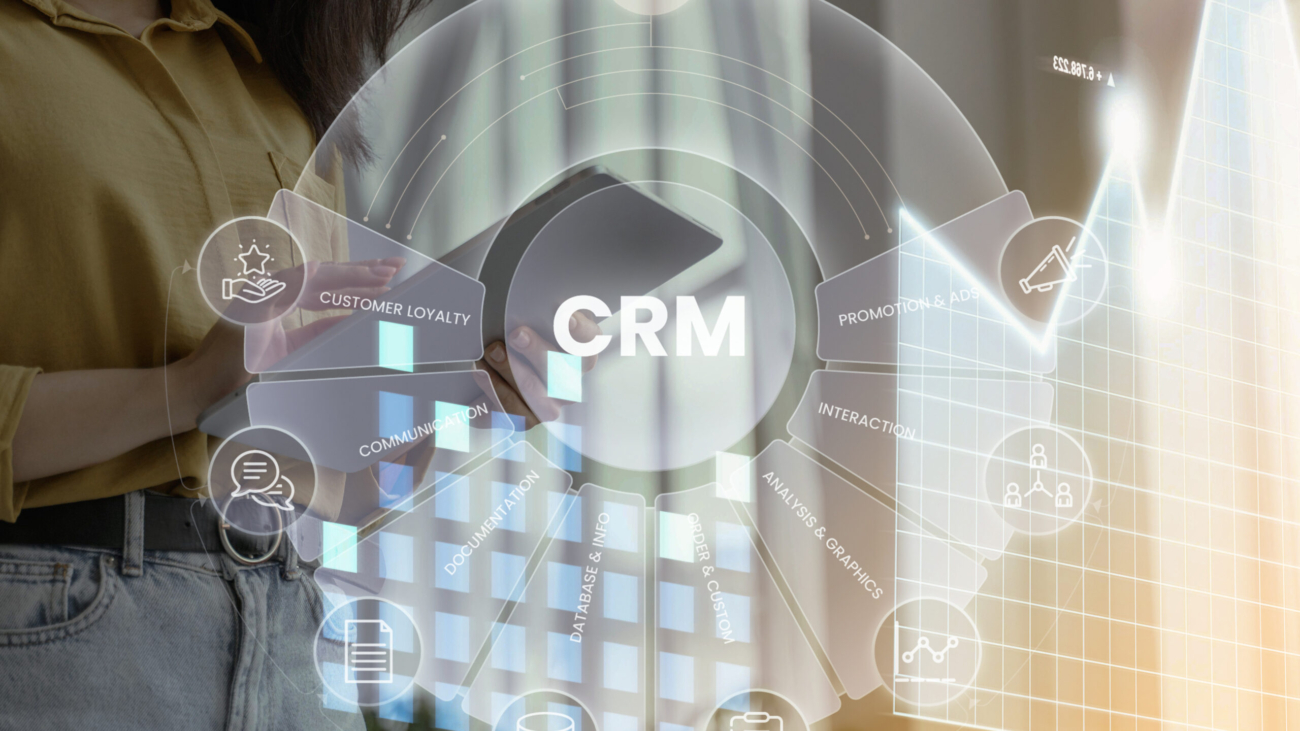
A CRM (Customer Relationship Management) system is a software solution that helps businesses manage customer interactions, track sales, and optimize marketing efforts. Instead of manually handling customer data on spreadsheets or emails, a CRM centralizes everything in one place, ensuring seamless communication and efficiency.

Key Benefits of CRM Software for SMEs:

For startups and SMEs, implementing a cloud-based CRM for startups ensures accessibility, flexibility, and cost-effectiveness.

How CRM Enhances Customer Communication & Retention

Customer retention is crucial for SMEs, as acquiring new customers is often more expensive than keeping existing ones. A CRM system helps businesses improve customer relationships with CRM tools such as:

A well-implemented CRM enables businesses to deliver exceptional customer experiences, leading to higher satisfaction and long-term loyalty.

For further insights on customer relationship strategies, check out HubSpot’s CRM Guide.

Automating Sales & Marketing for Efficiency

Manually managing sales and marketing can be overwhelming for SMEs. A CRM allows small business sales automation, ensuring:

With CRM implementation for small businesses, teams can focus on closing deals rather than managing paperwork.

Aimed Advisors specializes in helping SMEs integrate the right CRM solutions to enhance efficiency. If you’re considering automation, check out Zoho CRM for an affordable and user-friendly option. You can also explore Bitrix24 CRM, an all-in-one solution for managing tasks, projects, and communication.

Data-Driven Decision-Making with CRM Insights

One of the biggest advantages of CRM software for SMEs is the ability to generate valuable insights. Businesses can track performance, customer behavior, and sales trends to make informed decisions.

Key CRM Reports for SMEs:

By leveraging these insights, SMEs can refine their business strategies and stay competitive.

For a deeper understanding of CRM analytics, check out Salesforce’s CRM Insights.

Choosing the Right CRM for Your Business

With multiple CRM options available, selecting the right one can be challenging. Consider the following when choosing a CRM for small businesses:

For service-based SMEs, an industry-specific CRM can be beneficial. If you’re an e-commerce startup, selecting a CRM for e-commerce startups with order tracking and customer segmentation is ideal.

Not sure which CRM suits your business needs? Aimed Advisors can guide you in selecting and implementing the right solution.

Final Thoughts

A CRM for small businesses is no longer a luxury—it’s a necessity. From automating sales to improving customer relationships, the right CRM can fuel SME growth and efficiency. If you’re ready to take the next step, Aimed Advisors can help you choose and implement the perfect CRM for your needs.

🚀 Need help selecting or implementing a CRM? Aimed Advisors can guide you—let’s talk! 🚀

Copyright All Rights Reserved © 2024 | Aimed Advisors FZC LLC
Marketing Funnel

The Ultimate Marketing Playbook for Startups & SMEs

The Ultimate Marketing Playbook for Startups & SMEs

Why Marketing is Crucial for Early-Stage Businesses

Launching a business is just the beginning. Without a strong startup marketing strategy, even the best products or services struggle to gain traction. Effective marketing helps startups and SMEs:
Ignoring marketing can leave your business invisible. A well-executed SME marketing plan is the key to long-term success. Aimed Advisors specializes in crafting tailored marketing strategies that help startups gain a competitive edge.
Marketing Funnel

Crafting a Strong Brand Identity

Your brand is more than a logo—it’s the perception and emotional connection customers have with your business. To create a compelling small business branding strategy, focus on:

1. Defining Your Unique Value Proposition (UVP)
2. Establishing a Consistent Brand Voice & Visual Identity
3. Storytelling to Connect with Customers

People resonate with stories. Share your journey, mission, and values to build trust and credibility.

Understanding Your Target Audience & Market Positioning

A well-defined audience ensures your marketing efforts reach the right people. Conduct market research to:

Use this data to create targeted campaigns that drive customer acquisition for startups and fuel business growth.

Budget-Friendly Marketing Strategies for Startups

1. Leverage Social Media Marketing for Startups
2. Implement Content Marketing for Small Businesses
3. Utilize Email Marketing for Startups
4. Invest in Performance Marketing for SMEs

Setting Measurable Marketing Goals

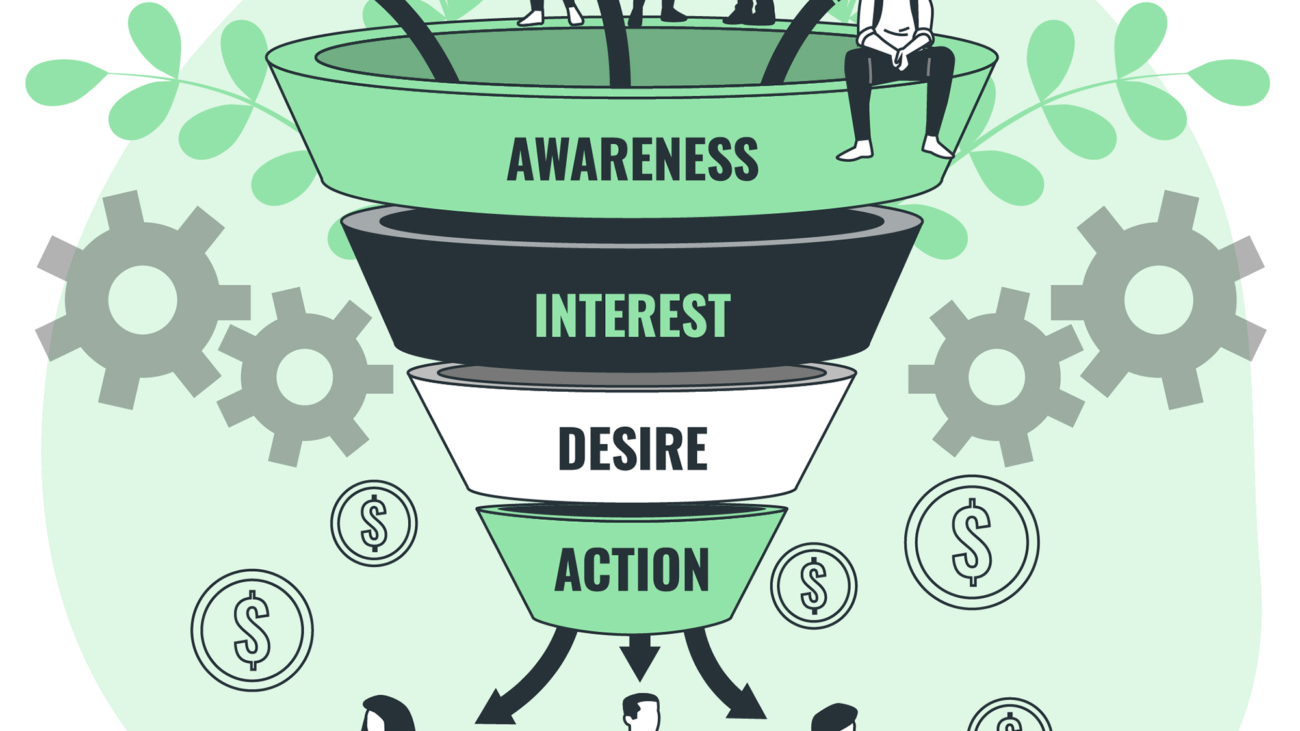
A successful marketing funnel for startups requires clear, measurable objectives. Follow the SMART framework:

Key metrics to track include:

The Role of Marketing Automation for SMEs

Time is a valuable resource for startups. Marketing automation for SMEs helps streamline:

This enables businesses to scale their marketing efforts efficiently without increasing overhead costs.

Customer Retention Strategies for Startups

Acquiring new customers is important, but retaining existing customers is more cost-effective. Implement these customer retention strategies for startups:

Conclusion: Build a Scalable Marketing Strategy

A well-planned startup marketing strategy lays the foundation for sustainable growth. By focusing on branding, audience understanding, budget-friendly tactics, and automation, startups and SMEs can achieve long-term success without excessive spending.

Aimed Advisors is committed to helping startups and SMEs develop winning marketing strategies that drive measurable results.

Looking for expert guidance? Book a free consultation with Aimed Advisors today.

Copyright All Rights Reserved © 2024 | Aimed Advisors FZC LLC
Strategy

Forecasting to Execution: Combining Financial Projections with Marketing Campaigns

Forecasting to Execution: Combining Financial Projections with Marketing Campaigns

In the fast-evolving business landscape, the ability to forecast accurately and execute efficiently is the key to achieving sustainable growth. Combining financial projections with marketing campaigns execution allows businesses to not only predict future performance but also create a roadmap to achieve their goals. Data-driven insights are essential for forecasting in marketing and ensuring that marketing efforts align with financial goals. By leveraging financial planning for marketing and marketing budget forecasting, businesses can unlock the potential of their marketing campaigns.

At Aimed Advisors, we specialize in helping businesses bridge the gap between marketing strategies and financial goals. In this blog, we explore how financial projections, marketing campaigns execution, and forecasting work together to drive success.

Strategy

The Importance of Aligning Financial Projections with Marketing

1. Financial Projections: The Foundation for Success

Financial projections offer businesses a roadmap to navigate growth, set realistic targets, and optimize resources. When combined with marketing strategies, these projections help businesses anticipate future revenues, understand customer behavior, and refine campaign goals. Integrating financial forecasts for digital marketing ensures that marketing strategies are directly tied to the company’s overall financial objectives.

2. Marketing Budget Forecasting: A Critical Component

Marketing budget forecasting is a vital aspect of financial planning. Accurate forecasts allow businesses to allocate their resources strategically, ensuring that marketing campaigns are both cost-effective and aligned with the financial outlook. Through predictive financial models, businesses can determine the optimal marketing spend that aligns with financial projections and maximizes returns.

3. Campaign Performance Forecasting: Predicting Success

One of the most valuable benefits of combining financial projections with marketing campaigns is the ability to forecast campaign performance. By using predictive models, businesses can estimate the potential success of a campaign before it even begins.

4. Financial-Driven Marketing Strategies

In today’s data-driven world, having a financial-driven marketing strategy is essential. By leveraging financial insights for marketing decisions, businesses can optimize their campaigns for both financial and marketing success. This alignment ensures that every marketing dollar spent contributes to achieving financial targets.

5. Marketing and Financial Synergy

Achieving marketing and financial synergy means ensuring that marketing strategies are not only aimed at achieving business growth but are also financially viable. By integrating sales forecasting with marketing campaigns, businesses can create strategies that optimize both their financial performance and marketing effectiveness.

6. Tracking Marketing ROI and Performance

Accurately tracking marketing ROI projections is a critical part of any marketing strategy. Understanding how marketing investments translate into sales and revenue is essential for optimizing future campaigns. Financial metrics like customer acquisition costs (CAC) and lifetime value (LTV) provide businesses with the insights needed to adjust campaigns and achieve better financial outcomes.

The Role of Data Analytics in Financial and Marketing Alignment

Data analytics plays a pivotal role in aligning marketing efforts with financial objectives. By analyzing trends, customer behavior, and financial performance, businesses can make informed decisions on how to allocate resources, forecast revenue, and optimize campaigns.

Steps to Successfully Combine Financial Projections with Marketing Campaigns

To maximize the effectiveness of combining financial projections with marketing campaigns, businesses should take the following steps:
1. Establish Clear Financial Goals: Start by setting clear financial objectives that align with your marketing efforts.
2. Use Predictive Models: Leverage predictive financial models for marketing to forecast future campaign performance and revenue.
3. Optimize Campaign Budgets: Use data insights to accurately forecast and allocate campaign budgets, ensuring they align with financial projections.
4. Track Performance Metrics: Continuously monitor and measure marketing performance metrics and adjust strategies to ensure financial goals are being met.
5. Regularly Review and Adjust: Compare marketing budget vs actuals and refine strategies based on financial results and market trends.

Conclusion

The combination of financial projections and marketing campaign execution is the key to achieving sustainable growth. By utilizing data analytics and forecasting in marketing, businesses can ensure that their marketing efforts are aligned with their financial goals. At Aimed Advisors, we help businesses integrate financial-driven marketing strategies to optimize campaign performance, improve ROI estimation for marketing campaigns, and achieve both financial and marketing success. By effectively combining these two elements, businesses can not only predict future success but also execute campaigns with confidence, ensuring long-term profitability and growth.
Copyright All Rights Reserved © 2024 | Aimed Advisors FZC LLC
Role of Data Analytics

The Role of Data Analytics in Shaping Marketing and Financial Strategies

The Role of Data Analytics in Shaping Marketing and Financial Strategies

In today’s fast-paced digital world, data has become a cornerstone for success in both marketing and financial decision-making. Data analytics is transforming the way businesses approach their strategies, enabling them to make smarter, data-driven decisions. Whether it’s optimizing marketing campaigns or improving financial planning, the role of data analytics is undeniable. Here’s how data analytics is reshaping marketing and financial strategies, providing businesses with a competitive edge

The Power of Data Analytics in Marketing

Data-Driven Marketing Strategies

Data analytics is revolutionizing marketing strategies by providing businesses with valuable insights into customer behavior, preferences, and trends. Data-driven marketing strategies are built on data analysis that helps identify the most effective marketing channels, messaging, and tactics for reaching target audiences.
Key benefits of data analytics in marketing include:

Predictive Analytics for Marketing

One of the most impactful tools in data analytics is predictive analytics for marketing. By analyzing historical data, businesses can forecast customer behaviors, market trends, and potential outcomes of marketing initiatives. This empowers companies to create proactive strategies that align with future market demands.

Customer Data Analysis for Marketing

Understanding your customer is key to success in marketing. Customer data analysis for marketing involves gathering and analyzing data from multiple sources, including customer interactions, online behaviors, and past purchasing habits. This helps businesses tailor their messaging, increase personalization, and improve overall customer satisfaction.

Data Analytics in Financial Strategies

Data Analytics for Financial Decision Making

In the financial sector, data analytics for financial decision making is essential for shaping long-term strategies. Financial data analysis helps businesses identify trends, track financial performance, and make more informed decisions regarding investments, cost management, and forecasting.

Data-Driven Financial Planning

With data-driven financial planning, companies can build more accurate financial models, forecast future cash flows, and plan for various financial scenarios. This level of insight leads to more informed decisions, better risk management, and stronger financial health.

Financial Analytics for Marketing

An often overlooked but powerful tool is the integration of financial analytics for marketing. By linking financial metrics to marketing activities, businesses can measure the true financial impact of their campaigns. This helps optimize marketing spend and improve budgeting decisions for more profitable outcomes.

How Data Analytics Shapes Business Strategy

Data Analytics in Business Strategy

Data analytics in business strategy allows companies to base their decisions on solid data rather than assumptions. By leveraging insights from data, businesses can align their marketing, sales, and financial strategies to drive growth, reduce costs, and enhance customer experience.

AI in Marketing Strategy

AI-powered tools are transforming how businesses approach marketing. AI in marketing strategy uses data-driven insights to automate tasks, personalize customer experiences, and predict future trends. This integration of AI enhances marketing efficiency and provides deeper insights into customer preferences.

Business Intelligence for Marketing

Business intelligence for marketing utilizes advanced data analytics tools to track and analyze performance metrics, customer behavior, and competitive landscape. With better visibility into these factors, marketers can refine strategies and improve their decision-making process.

Enhancing Financial Strategy with Data Analytics

Data Visualization for Financial Decisions

Data visualization for financial decisions simplifies complex financial data, making it easier for stakeholders to understand and act upon. Dashboards and visual reports allow decision-makers to quickly assess financial performance, track KPIs, and identify areas for improvement.

Financial Forecasting with Data Analytics

Financial forecasting with data analytics helps businesses predict future revenue, costs, and financial risks. By analyzing trends and market conditions, businesses can create accurate forecasts and better prepare for potential challenges.

Optimizing Financial Performance through Data

Optimizing financial performance through data involves using analytics to streamline financial processes, identify cost-saving opportunities, and improve operational efficiency. With the right data-driven approach, businesses can maximize profitability and financial stability.

Conclusion: Data Analytics is the Key to Smarter Strategies

Whether in marketing or finance, data analytics provides the tools and insights needed to drive smarter, more effective strategies. By embracing data-driven marketing strategies and leveraging financial analytics, businesses can achieve sustainable growth, optimize their resources, and stay ahead of the competition.
At Aimed Advisors, we understand the value of data analytics in shaping business strategies. Our expertise in both financial and marketing analytics can help your business harness the full potential of data to achieve your goals and drive success.
Copyright All Rights Reserved © 2024 | Aimed Advisors FZC LLC
Financial Planning

Financial Planning Meets Digital Marketing: Building a Roadmap for Startups

Financial Planning Meets Digital Marketing: Building a Roadmap for Startups

In today’s fast-paced digital world, startups need to leverage both financial planning and digital marketing to ensure long-term success. However, many entrepreneurs often overlook the integration of these two critical areas. A strategic approach that blends startup financial planning with digital marketing for startups is key to driving growth, achieving sustainable profitability, and staying ahead of the competition.

This blog will guide you through the essentials of crafting a comprehensive financial strategy for startups, establishing a marketing budget plan, and building a startup financial roadmap to create a solid foundation for your business’s success.

Financial Planning

Why Financial Planning and Digital Marketing Must Work Together for Startups

Both financial planning and marketing are cornerstones of startup success. But integrating them can lead to enhanced startup growth strategy. Here’s why these two aspects should work in harmony:

By integrating financial forecasting with digital marketing insights, you ensure a startup marketing plan that drives revenue while maintaining financial health.

Key Components of a Financial Roadmap for Startups

Creating a startup financial roadmap is essential for setting clear financial goals and tracking progress. This roadmap should guide decision-making for both operations and marketing initiatives.

1. Budget Allocation for Marketing

One of the most crucial parts of your financial strategy is determining how much of your budget will be allocated to marketing. Consider these factors:

2. Financial Projections for Startups

Establishing financial projections helps startups set realistic revenue goals and determine funding needs. These projections also inform marketing efforts, guiding the allocation of resources across channels like paid advertising, email marketing, and content creation.

3. Financial Planning Tools for Startups

Leverage tools that integrate financial planning and marketing efforts. By using the right tools, you can better understand the impact of your marketing spend on your bottom line, ensuring that your financial health stays intact while driving growth.

Key Components of a Financial Roadmap for Startups

A successful digital marketing strategy for startups requires a clear plan that aligns with your business objectives and financial goals. Here’s how you can build an effective digital marketing plan:

1. Startup Marketing Budget Allocation

The startup marketing budget allocation is essential to guide your spending across various digital platforms.

2. Data-Driven Marketing Strategy for Startups

Data-driven marketing ensures that every marketing decision is based on solid metrics. By leveraging analytics tools, you can track key metrics like:

3. Marketing Campaigns with Financial Insights

Marketing campaigns need to be tied to financial performance. By integrating financial insights into your digital campaigns, you can:

4. Building a Marketing Plan with Financial Goals

Your startup marketing plan should not be standalone; it should align with your financial goals. Integrate key performance indicators (KPIs) with your budget to ensure every marketing action is justifiable.

Achieving Synergy between Marketing and Finance

A startup financial health and marketing synergy can be achieved by aligning both areas towards common goals. The goal is to create an environment where marketing campaigns contribute to financial success while maintaining profitability.
Here are ways to create synergy:

How Aimed Advisors Can Help

At Aimed Advisors, we understand the complexities startups face when it comes to aligning financial planning for entrepreneurs with digital marketing. Our expertise lies in offering comprehensive guidance on both financial strategies and marketing approaches, enabling you to:

Our services are designed to help startups like yours thrive, even in the competitive UAE market. Whether you need help with financial projections for startups or want to optimize your startup marketing budget allocation, we are here to provide the support you need.

Conclusion

As a startup in the UAE, integrating startup financial planning with a targeted digital marketing strategy for startups is crucial for sustainable growth. A well-defined startup financial roadmap and a carefully structured marketing plan will ensure that every step you take is strategically aligned with your business objectives.
By leveraging cost-effective digital marketing for startups and focusing on marketing analytics and financial metrics, you’ll maximize your ROI and build a solid foundation for long-term success.
Copyright All Rights Reserved © 2024 | Aimed Advisors FZC LLC
Blog 1_The Future of Integrated Marketing and Finance

The Future of Integrated Marketing and Finance

The Future of Integrated Marketing and Finance

In today’s rapidly evolving business landscape, the integration of marketing and finance is no longer a luxury but a necessity. The ability to align marketing efforts with financial goals is becoming critical for businesses, particularly in competitive markets like Dubai and the UAE. By strategically merging these two functions, businesses can optimize resource allocation, drive growth, and ensure sustainable success. In this blog, we will explore the future of integrated marketing and finance, the benefits of combining these functions, and how businesses in Dubai can leverage these strategies for long-term success.

What is Integrated Marketing and Finance?

Understanding Integrated Marketing and Finance

Integrated marketing and finance refers to the seamless alignment of a company’s marketing strategies with its financial goals. This involves combining marketing planning, budgeting, and performance analysis with financial forecasting, reporting, and cost management. The goal is to create a unified approach that not only drives brand growth but also ensures that marketing investments are optimized for maximum financial returns.

Why is This Integration Crucial for Businesses in Dubai and the UAE?

Dubai, as a global business hub, hosts an incredibly competitive market environment. With businesses constantly striving to gain a competitive edge, integrating marketing and finance becomes crucial for maintaining sustainable growth. By aligning marketing goals with financial objectives, businesses in Dubai and the UAE can optimize their resources, streamline operations, and enhance decision-making processes. This is especially important for SMEs and startups, where every dollar spent must drive measurable returns.

The Role of Marketing and Financial Advisory Services in Dubai

Marketing Advisory in Dubai

Marketing advisory services in Dubai offer businesses expert guidance on how to plan, execute, and optimize their marketing campaigns. Marketing professionals help businesses identify target audiences, develop effective messaging, and allocate resources efficiently. In an integrated marketing and finance model, marketing advisors work closely with financial experts to ensure that marketing campaigns are both effective and cost-efficient.
Some of the core areas where marketing advisory services in Dubai can help include:

Financial Services in the UAE

Financial services in the UAE focus on helping businesses manage their finances effectively. This includes budgeting, financial reporting, tax planning, and investment management. Financial services ensure that a business’s finances are in order, which provides a solid foundation for the marketing team to make informed decisions.
By combining financial expertise with marketing insights, businesses can:

The Benefits of Integrated Marketing and Financial Solutions

Optimized Marketing Budgets and Financial Planning

In an integrated marketing and finance strategy, businesses can optimize their marketing budgets by aligning them with financial forecasts. This ensures that marketing spending is sustainable, strategic, and impactful. Marketing budget planning in UAE can be challenging due to fluctuating market conditions, but when aligned with financial planning, businesses can achieve greater predictability and control over their marketing expenses.
Key benefits of this integration include:

Data-Driven Decision-Making

The combination of marketing and financial data provides a more holistic view of business performance. By leveraging integrated marketing solutions for businesses, companies can gather insights that drive better decision-making. Data-driven approaches empower businesses to understand customer behavior, track marketing ROI, and adjust campaigns based on real-time financial feedback.
Some critical advantages of data-driven marketing include:

Tailored Solutions for SMEs and Startups in Dubai

Small and medium-sized enterprises (SMEs) and startups in Dubai often face budget constraints and require smart strategies to make the most out of limited resources. Integrated business growth strategies that combine marketing and financial planning are ideal for SMEs and startups, enabling them to:

Trends Shaping the Future of Integrated Marketing and Finance

AI and Predictive Analytics

Artificial intelligence (AI) is revolutionizing how businesses integrate marketing and finance. AI tools can predict market trends, customer behavior, and even forecast financial outcomes based on historical data. By using predictive analytics for marketing and finance, businesses can make more accurate financial forecasts and improve their marketing strategies accordingly.
Key AI applications include:

Technology-Driven Platforms

Today’s technology offers tools that can integrate marketing and financial functions seamlessly. Platforms that combine financial reporting with marketing analytics help businesses track performance, adjust budgets, and streamline decision-making. In the UAE, businesses can leverage various CRM, financial management, and marketing automation platforms to achieve this integration.
Benefits of these platforms include:

Practical Steps to Adopt Integrated Marketing and Financial

Solutions

Partnering with Experts in Dubai

To successfully implement integrated marketing and financial strategies, businesses in Dubai should partner with experts who specialize in both areas such as Aimed Advisors. Financial advisory and marketing consultancy can provide the expertise needed to align marketing campaigns with financial goals, ensuring both areas work together towards common objectives.
Steps to consider when adopting integrated solutions:

Leveraging Unified Tools and Software

Business owners can leverage unified tools and software that combine marketing analytics and financial management to gain comprehensive insights. Platforms that integrate financial reporting and marketing analysis in the UAE can help businesses make data-driven decisions while keeping marketing spend aligned with financial objectives.
Some popular tools include:

The Future Outlook: Why Integration is a Must for Businesses in Dubai

Long-Term Benefits for Business Growth

Integrated marketing and financial strategies not only help businesses stay competitive but also provide long-term growth opportunities. By aligning financial goals with marketing strategies, businesses can create a more resilient model that is capable of adapting to market changes and optimizing profits over time.
Key long-term benefits include:

Staying Competitive in Dubai’s Fast-Paced Market

Dubai’s business landscape is dynamic and highly competitive. As companies look to scale, the integration of marketing and finance will be crucial to staying ahead of the competition. Businesses that leverage strategic marketing and finance planning in UAE will not only streamline operations but will also position themselves as market leaders.

Conclusion: Unlock Your Business Potential with Integration

The future of integrated marketing and finance is all about efficiency, predictability, and growth. By aligning marketing efforts with financial planning, businesses in Dubai and the UAE can achieve greater control over their strategies, ensuring they are cost-effective, data-driven, and scalable. At Aimed Advisors, we specialize in financial advisory Dubai and marketing consultancy, offering tailored solutions for businesses to thrive in an integrated marketing and financial landscape.
Copyright All Rights Reserved © 2024 | Aimed Advisors FZC LLC